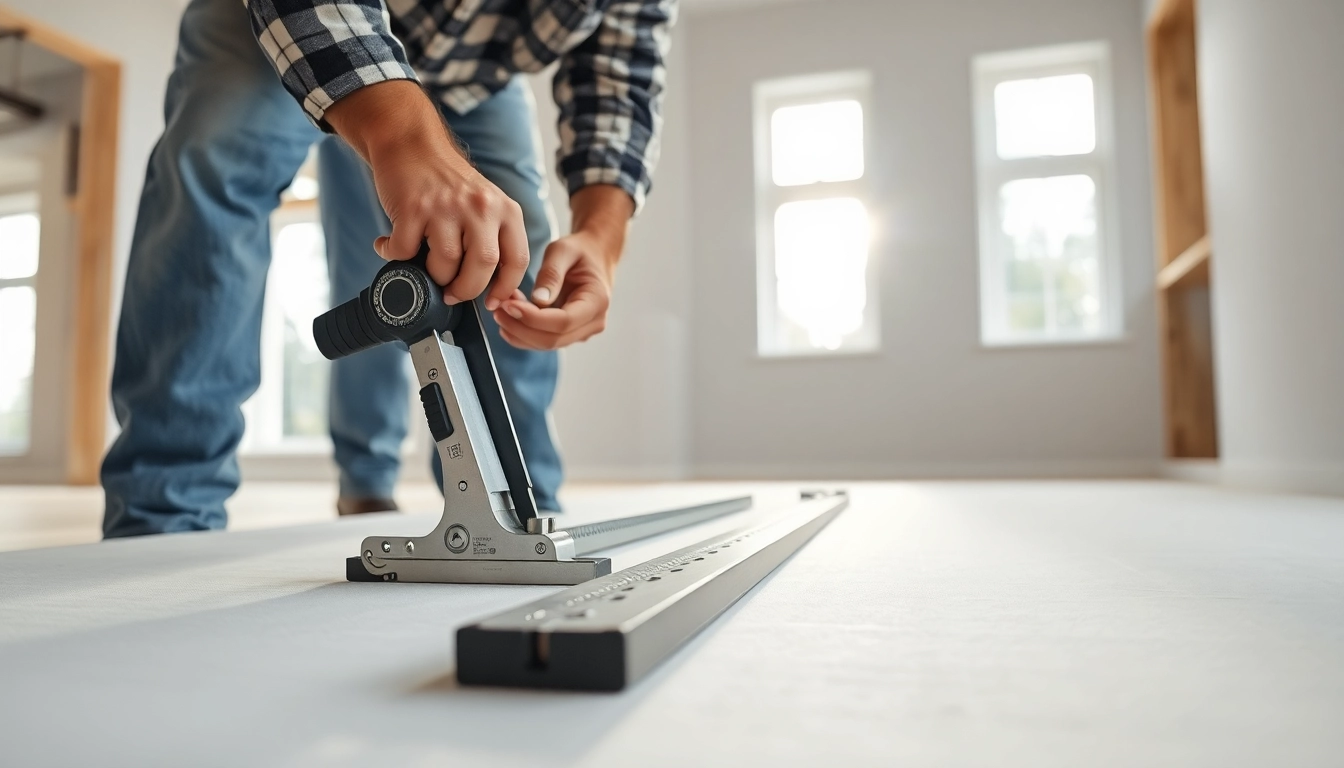
Understanding Drywall: Types and Uses
What is Drywall?
Drywall is a construction material made of gypsum plaster that is sandwiched between two sheets of heavy paper. Commonly used to create interior walls and ceilings, drywall provides a seamless and fire-resistant finish that is both strong and lightweight. This innovative building material revolutionized construction processes by allowing for quick installation and easy repair. The simplicity of drywall has made it a preferred choice for both professional contractors and DIY enthusiasts alike.
Types of Drywall: A Detailed Overview
Understanding the various types of drywall available on the market is crucial for selecting the best option for your specific project. Here are the most common types:
- Regular Drywall: Also known as whiteboard, this is the standard type used in most residential applications.
- Green Board: Moisture-resistant drywall that is suitable for areas exposed to humidity, such as bathrooms.
- Blue Board: Specifically designed for veneer plastering and works best in high-moisture locations.
- Fire-Resistant Drywall: Designed to slow the spread of fire, typically used in garages and shared walls between units.
- Soundproof Drywall: Engineered to reduce sound transmission, making it ideal for media rooms or shared walls.
Common Uses for Drywall in Construction
Drywall serves various purposes in construction:
- Interior Walls: Creating divisions in living spaces, providing privacy, and enhancing aesthetics.
- Ceilings: Offering a smooth surface where lighting fixtures can be installed.
- Fire Barriers: Helping to meet fire safety codes in multi-family units.
- Acoustic Barriers: Reducing sound transfer between rooms in offices and homes.
- Feature Walls: Utilizing unique finishes and textures for aesthetic appeal.
Preparation for Drywall Installation
Necessary Tools and Materials for Drywall
Before you embark on your drywall project, ensure you have the proper tools and materials. Here’s a comprehensive list:
- Drywall sheets
- Drywall saw
- Tape measure
- Utility knife
- T-square
- Drywall lift (for ceilings)
- Joint compound
- Drywall tape
- Sandpaper or sanding block
- Safety gear (gloves, goggles, dust mask)
How to Measure and Cut Drywall Properly
Measuring and cutting drywall accurately is key for a professional finish. Follow these steps:
- Measure the height and width of the area to be covered, adding extra for butt joints.
- Mark the drywall sheet using the measurements. Use a T-square to ensure straight lines.
- Score the line with a utility knife, then snap the drywall along the score.
- Cut through the paper on the opposite side to separate the piece.
Creating a Safe Work Environment
Prior to installation, ensure your workspace is safe. Here are some essential tips:
- Clear the area of any debris and hazards to allow for safe movement.
- Use appropriate safety gear, including gloves and goggles, to prevent injury.
- Vertically lift drywall with assistance to avoid strain and injury.
Step-by-Step Drywall Installation Process
Installing Drywall on Interior Walls
To install drywall on interior walls, follow these steps:
- Securely screw drywall sheets into the studs, starting from a corner for better support.
- Use a screw gun to drive screws every 12 to 16 inches along the studs.
- Always stagger the joints of drywall sheets to enhance structural integrity.
Hanging Drywall on Ceilings: Tips and Techniques
Installing drywall on ceilings can be tricky. Here are some techniques to ease the process:
- Utilize a drywall lift to hold the sheet in place while securing it.
- Start from the center of the room and work toward the edges.
- Ensure screws are adequately deep without tearing the paper.
Seaming and Taping Drywall Effectively
Effective seaming and taping are fundamental for a flawless finish. Here’s how to do it:
- Apply a layer of joint compound over the seam using a wide knife.
- Embed the tape into the compound, pressing it flat.
- Apply a second coat of compound, feathering the edges for a smooth final appearance.
Finishing Techniques for a Professional Look
Applying Joint Compound: Best Practices
To achieve a smooth finish:
- Apply joint compound in thin layers, allowing each coat to dry fully before applying the next.
- Use a 12-inch knife for the final coat to ensure smoothness.
Sanding Drywall for a Smooth Finish
Sanding is crucial in getting a smooth surface. Follow these tips:
- Use fine-grit sandpaper to avoid damaging the drywall.
- Sand in circular motions to achieve an even finish.
- Wear a mask to protect against dust inhalation.
Painting and Texturing Drywall
Once finished, painting or texturing adds the final touch:
- Prime the drywall with a quality primer for better paint adhesion.
- Choose a paint finish that fits the space, matte for ceilings, and eggshell for walls.
- For texturing, use spray, brush, or roller techniques depending on your desired finish.
Common Challenges in Drywall Installation
Dealing with Moisture and Mold Issues
Moisture can lead to serious problems, including mold growth. Here’s how to mitigate this:
- Choose moisture-resistant drywall for high-humidity areas.
- Ensure proper ventilation during and after installation.
- Regularly inspect for leaks and maintain humidity levels.
Repairing Damaged Drywall Sections
To repair damaged areas:
- Cut out the damaged section with a utility knife.
- Install a patch or new piece of drywall, securing it with screws.
- Apply joint compound and sand until smooth for blending.
Planning for Electrical and Plumbing Changes
Before drywalling, plan for any electrical or plumbing work:
- Install electrical boxes and plumbing pipes before hanging drywall.
- Make necessary cutouts for outlets and switches once the drywall is hung.
- Ensure all installations comply with local building codes.
FAQs About Drywall Installation
What tools are essential for drywall installation?
Key tools include a drywall saw, tape measure, utility knife, T-square, and drywall lift for ceilings.
How much drywall should I buy for my project?
Calculate the area to be covered and consider wastage, typically around 10-15% more than the measurement.
Can I install drywall myself?
Yes, with the right tools and guidance, DIY drywall installation is achievable for beginners.
How do I repair a hole in drywall?
Use a patch or drywall piece, apply joint compound, let dry, sand it smooth, and paint over it.
What type of drywall is best for moisture-prone areas?
Green board or moisture-resistant drywall is recommended for bathrooms and kitchens.