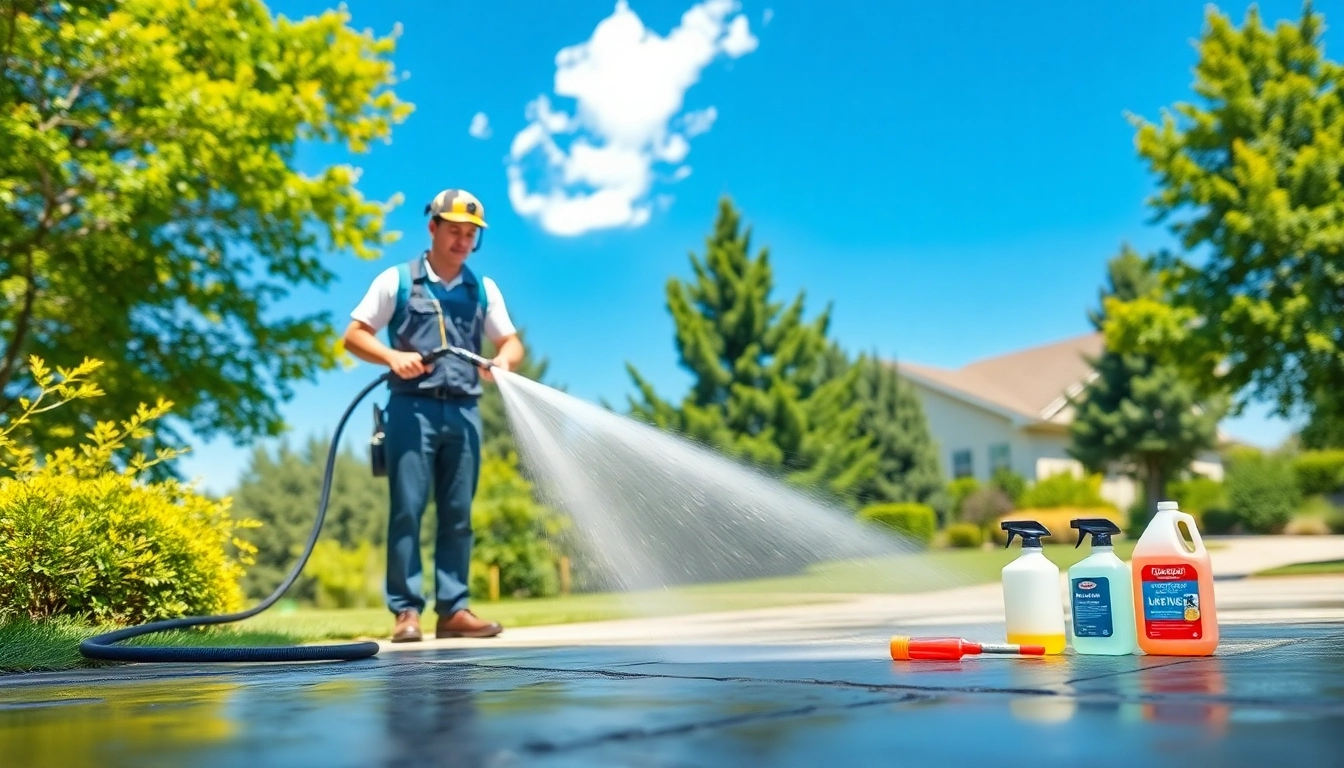
Introduction to Driveway Pressure Washing
Driveway pressure washing is an essential service for homeowners and business owners looking to maintain the aesthetic appeal and longevity of their property. Over time, driveways accumulate grime, oil stains, dirt, and algae that not only detract from their appearance but can also cause damage if left unchecked. In Kissimmee, FL, where the humidity can lead to rapid growth of mold and mildew, regular driveway cleaning is crucial. Professionals like Full Pressure Powerwash offer comprehensive driveway pressure wash services to ensure that your property always looks its best, enhancing curb appeal and protecting your investment.
What is Driveway Pressure Wash?
Driveway pressure washing involves using specialized equipment to apply high-pressure water to surfaces, effectively removing stubborn stains, dirt, and grime. This method is ideal for various driveway materials, including concrete, asphalt, and pavers, providing a thorough clean that other methods simply cannot achieve. By utilizing a combination of pressure and, when necessary, eco-friendly detergents, pressure washing can eliminate even the toughest of stains, including oil, grease, and rust.
Benefits of Regular Driveway Cleaning
- Enhances Curb Appeal: A clean driveway significantly improves the overall look of your property, making it more inviting to guests and potential buyers.
- Increases Longevity: Regular maintenance prevents damage from mold and mildew, extending the life of your driveway.
- Safety: Removing slippery substances such as algae and oil makes your driveway safer for both pedestrians and vehicles.
- Environmental Benefits: Using eco-friendly cleaning solutions minimizes harm to surrounding plants and wildlife.
Understanding Equipment and Tools
To achieve the best results in driveway pressure washing, it’s important to have the right tools at your disposal. Residential and commercial pressure washers differ in power and capabilities, allowing for versatility in cleaning various driveways and surfaces. Accessories such as surface cleaners and extension wands can also enhance efficiency and effectiveness during the cleaning process.
Choosing the Right Pressure Washing Equipment
Types of Pressure Washers for Driveways
When selecting a pressure washer for driveway cleaning, consider the following types:
- Electric Pressure Washers: Ideal for smaller driveways or occasional use, these models are quieter and easier to maneuver.
- Gas Pressure Washers: Offering more power, gas models are suited for larger areas and tougher jobs, making them a great choice for commercial applications.
- Hot Water Pressure Washers: These are effective in breaking down grease and oil stains, making them essential for cleaning driveways frequently subjected to vehicular traffic.
Essential Attachments for Effective Cleaning
To maximize the effectiveness of your pressure washing experience, consider utilizing attachments such as:
- Surface Cleaners: These attachments provide even cleaning across large flat areas, reducing streaking.
- Rotary Nozzles: For concentrated cleaning on tough stains, rotary nozzles can deliver a powerful stream of water.
- Foam Cannons: These allow for the application of detergents before pressure washing, enhancing stain removal.
Safety Equipment and Precautions
Safety should always be a priority when pressure washing. Essential personal protective equipment (PPE) includes:
- Safety goggles to protect eyes from debris and chemicals
- Gloves to protect hands from harsh cleaning agents
- Non-slip footwear for safe movement on wet surfaces
- Hearing protection, particularly when using gas-powered equipment
Step-by-Step Guide to Driveway Pressure Washing
Preparation Before Pressure Washing
Effective driveway pressure washing begins with proper preparation. Here’s how:
- Clear the Area: Remove furniture, vehicles, and any debris from the driveway to allow for unobstructed cleaning.
- Inspect for Damage: Check for cracks or loose materials that need repair before cleaning.
- Choose the Right Cleaning Solution: Depending on the stains present, select an appropriate detergent to enhance cleaning effectiveness.
Techniques for Optimal Results
Follow these techniques for a thorough clean:
- Test a Small Area: Always test the pressure on a small area first to avoid damaging the surface.
- Start from the Top: Begin washing from the highest point of the driveway and work your way down to ensure dirt flows off.
- Use a Consistent Motion: Maintain a steady, overlapping pattern while washing to avoid streaks and missed spots.
Post-Cleaning Maintenance Tips
Once your driveway looks brand new, maintain its appearance with these tips:
- Regularly sweep away debris and leaves to prevent buildup.
- Apply sealant every few years to protect against water, oil, and staining.
- Schedule regular pressure washing every 1-2 years, depending on traffic and environmental factors.
Common Challenges and Solutions
Addressing Tough Stains and Grime
Some stains are more challenging than others. For oil stains, consider using a degreaser and allowing it to penetrate before pressure washing. For rust stains, specific rust removers can be effective when applied according to manufacturer instructions.
Dealing with Environmental Factors
Weather can play a significant role in driveway upkeep. High humidity can encourage mold and mildew; therefore, it’s essential to pressure wash after heavy rains to prevent growth.
Understanding Safety Concerns
Pressure washing can be dangerous if not done correctly. Always adhere to safety guidelines, including maintaining a safe distance from the surface and using the correct pressure settings for different materials.
Future Trends in Pressure Washing
Innovative Cleaning Technologies on the Horizon
The pressure washing industry is evolving with advancements in technology. Smart pressure washers, equipped with IoT features, will soon enable users to control devices via smartphones, optimizing cleaning settings automatically based on surface type and dirt level.
Eco-Friendly Practices and Sustainability
As sustainability becomes increasingly important, the industry is shifting towards more eco-friendly cleaning solutions. Biodegradable detergents and techniques that minimize water consumption are gaining popularity, ensuring that effectiveness does not come at the expense of environmental health.
Preparing for the Upcoming Industry Developments by 2025
In preparation for the advances anticipated by 2025, professionals and homeowners alike should stay informed about new technologies and practices. Embracing these innovations will not only improve cleaning results but also demonstrate a commitment to maintaining sustainability in exterior cleaning.